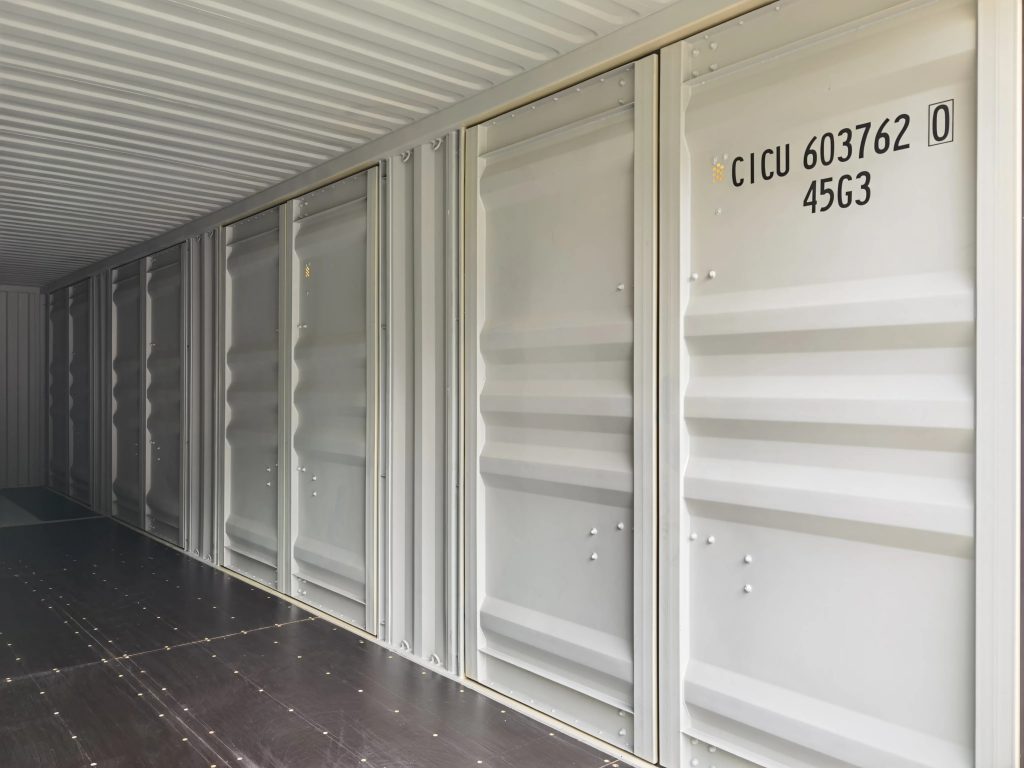
The Versatile World of 45-Foot Containers: A Comprehensive Guide
In the realm of logistics and shipping, containerization has actually reinvented the way goods are carried throughout the world. Among the different sizes offered, the 45-foot container has actually become a popular option for businesses and shipping business alike. 45 Ft Shipping Container looks into the features, advantages, and applications of 45-foot containers, supported by tables and an FAQ area to supply readers with an extensive understanding of this necessary shipping service.
Understanding 45-Foot Containers
Dimensions and Specifications
A 45-foot container is developed to bring more cargo than its 20-foot and 40-foot equivalents while still preserving ease of transportation and handling. Below is a table summing up the important dimensions and specifications of a 45-foot standard shipping container:
| Specification | 45-Foot Container |
|---|---|
| External Length | 45 ft (13.72 m) |
| External Width | 8 ft (2.44 m) |
| External Height | 9.5 ft (2.89 m) |
| Internal Length | 44.5 ft (13.56 m) |
| Internal Width | 7.7 ft (2.35 m) |
| Internal Height | 8.5 ft (2.59 m) |
| Maximum Gross Weight | 67,196 lbs (30,000 kg) |
| Payload Capacity | Approximately 58,000 lbs (26,300 kg) |
| Volume | 3,040 cu ft (86.1 cbm) |
Advantages of Using 45-Foot Containers
The 45-foot container provides many advantages that make it a preferred choice for different industries. Here are a few of the crucial benefits:
1. Increased Capacity
Among the most considerable advantages of the 45-foot container is its larger capability. This extra area allows companies to carry more products in one shipment, reducing the total shipping costs.
2. Cost-Effectiveness
When shipping bigger amounts, using a 45-foot container can be more economical than sending out multiple 20-foot or 40-foot containers. It enhances shipping expenses and minimizes managing charges.
3. Flexibility in Cargo Types
These containers can accommodate a varied range of cargo types, including general cargo, perishable products, and even specialized products such as cars or equipment, thanks to various internal setups.
4. Enhanced Durability
Built from premium steel and equipped with weather-resistant functions, 45-foot containers are created to withstand severe climate condition, making sure that the cargo stays protected.
5. Schedule of High-Cube Options
High-cube 45-foot containers, which use an additional foot in height, supply improved volume capacity, making them perfect for lighter, bulkier products.
Typical Applications of 45-Foot Containers
The adaptability of 45-foot containers permits a wide variety of applications in various markets. Here's a list of typical uses:
- International Shipping: Used extensively in shipping goods throughout oceans.
- Intermodal Transport: Suitable for combining truck and rail transport for effective logistics.
- Storage Solutions: Ideal for on-site storage as they can be quickly placed at construction websites, storage facilities, or farms.
- Momentary Offices: These containers can be converted into mobile workplaces or sales points, typically seen at building sites or occasions.
- Event and Festival Setups: Used for onsite storage, catering setups, and even as temporary stalls or exhibit spaces.
Table: Common Industry Applications of 45-Foot Containers
| Market | Application |
|---|---|
| Shipping | International cargo transportation |
| Retail | Temporary pop-up shops |
| Building | On-site storage and office areas |
| Event Management | Stall setups and storage for occasions |
| Agriculture | Crop storage and transport |
Frequently Asked Question About 45-Foot Containers
1. Can a 45-foot container be transferred by truck?
Yes, 45-foot containers can be transported by truck, but it is important to guarantee that the trucking business has the proper equipment, as not all trucks can accommodate the length and weight.
2. What types of cargo can be filled into a 45-foot container?
A 45-foot container can carry a broad series of cargo, consisting of general merchandise, machinery, perishable goods (when properly customized for refrigeration), and even large cargo in some instances.
3. Are 45-foot containers suitable for intermodal transportation?
Absolutely! The style of 45-foot containers allows them to be easily moved in between ships, trains, and trucks, making them perfect for intermodal transport.
4. How do I pick in between a standard and a high-cube 45-foot container?
Picking in between a standard 45-foot container and a high-cube variation depends upon the size and kind of cargo you plan to ship. For basic goods, either alternative works, but for bulkier products, a high-cube container is more effective.
5. What is the typical life expectancy of a shipping container?
In general, a well-maintained shipping container can last in between 10 to 15 years. Nevertheless, factors such as use, ecological conditions, and upkeep practices can substantially impact its life-span.
The 45-foot container has actually ended up being an integral part of the international shipping industry, offering businesses with an effective and cost-efficient ways of transferring goods. Its versatility, strength, and increased capacity make it a favored choice for a range of applications, from international shipping to temporary storage solutions. By understanding its functions and advantages, organizations can make informed choices that improve their logistics operations.
With logistics developing and supply chains pursuing performance, the significance of such containers will only continue to grow in coming years. Whether you are a skilled shipping expert or someone just starting to check out container options, the 45-foot container is unquestionably a formidable tool worldwide of transportation and logistics.